Organising The Logistics
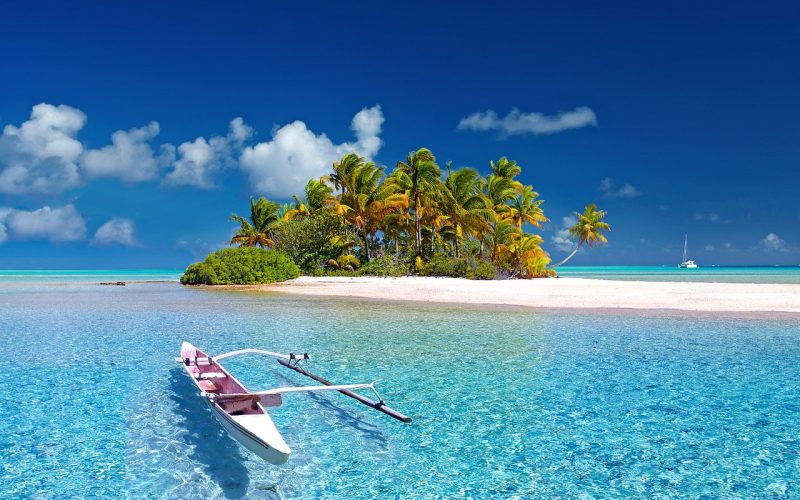
Developing a resort on a remote island sounds idyllic on paper. Crystal-clear waters, unspoilt landscapes, and a destination that practically sells itself. But beneath the surface lies a web of logistical challenges that can derail even the most well-funded projects. From transporting materials across open water to sourcing skilled labour in isolated locations, island resort development demands a level of planning that far exceeds standard construction.
Getting materials to the site
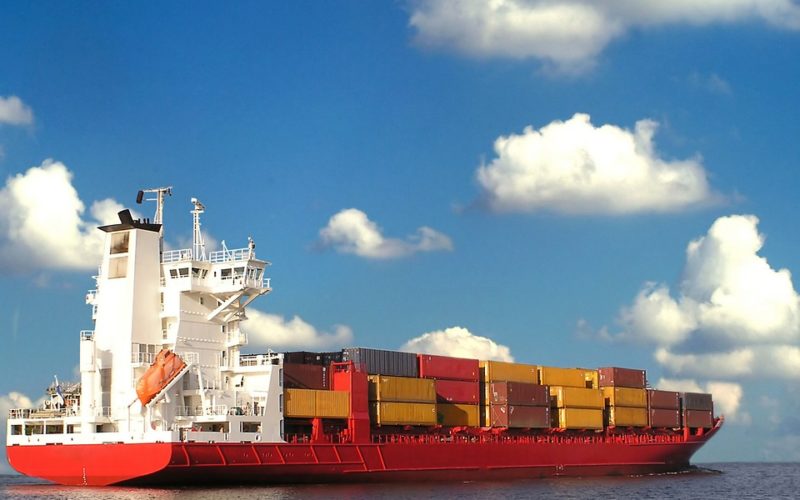
The most immediate challenge is simply getting things there. Every brick, steel beam, and fixture must be transported by sea or air, making supply chains exponentially more complex. Barge schedules are at the mercy of weather windows, and any delay upstream — a late shipment from a supplier, a storm system moving through — can cascade into weeks of lost productivity on-site. Unlike mainland construction, there is no popping to the nearest trade supplier for last-minute materials. Everything must be anticipated well in advance.
Infrastructure from the ground up
On the mainland, developers typically inherit some degree of existing infrastructure — roads, utilities, waste systems. On a remote island, that luxury rarely exists. Developers must build it all themselves: power generation, water desalination or catchment, sewage treatment, and internal road networks. These systems are not only expensive to install but require ongoing maintenance in environments that are often humid, saline, and corrosive. The cost of getting infrastructure wrong is steep, both financially and reputationally.
Labour and skills shortages
Attracting and retaining skilled workers in remote locations is another persistent hurdle. Tradespeople and engineers are often reluctant to commit to postings far from their families, and those who do typically command premium wages. Accommodation, catering, and welfare facilities for the workforce must also be constructed before the main build can begin — adding cost and time to the front end of a project. Some developers address this by partnering with local communities, though skill gaps often mean external specialists are still required for technical work.
Environmental regulations and sensitivities
Island ecosystems are amongst the most fragile on the planet. Coral reefs, mangroves, and endemic species require careful consideration at every stage of development. Regulatory frameworks in island territories — particularly in the Pacific, Indian Ocean, and Caribbean — can be stringent, and rightly so. Environmental impact assessments are a prerequisite in most jurisdictions, and any perceived disregard for ecological sensitivities can trigger protests, legal challenges, or reputational damage that outlasts the construction phase itself.
Managing costs in unpredictable conditions
Cost overruns are a near-universal feature of island resort development. The combination of remote logistics, infrastructure investment, and labour premiums creates a budget environment where contingency planning is not optional — it is essential. Experienced developers typically build in contingency reserves of 20–30% above their initial estimates, a figure that would be considered excessive on a standard mainland project. Currency fluctuations, import duties, and the sheer unpredictability of working in exposed marine environments all add layers of financial risk.
Turning challenges into competitive advantage
Despite these hurdles, island resort development continues to attract serious investment. The barriers to entry that make these projects so difficult are also what makes them so valuable once complete. A well-executed island resort occupies a near-unassailable market position — it is, almost by definition, a one-of-a-kind destination. Developers who approach these projects with rigorous planning, genuine environmental stewardship, and realistic budgets are best placed to deliver something that endures. The logistical complexity is real, but so is the reward.